
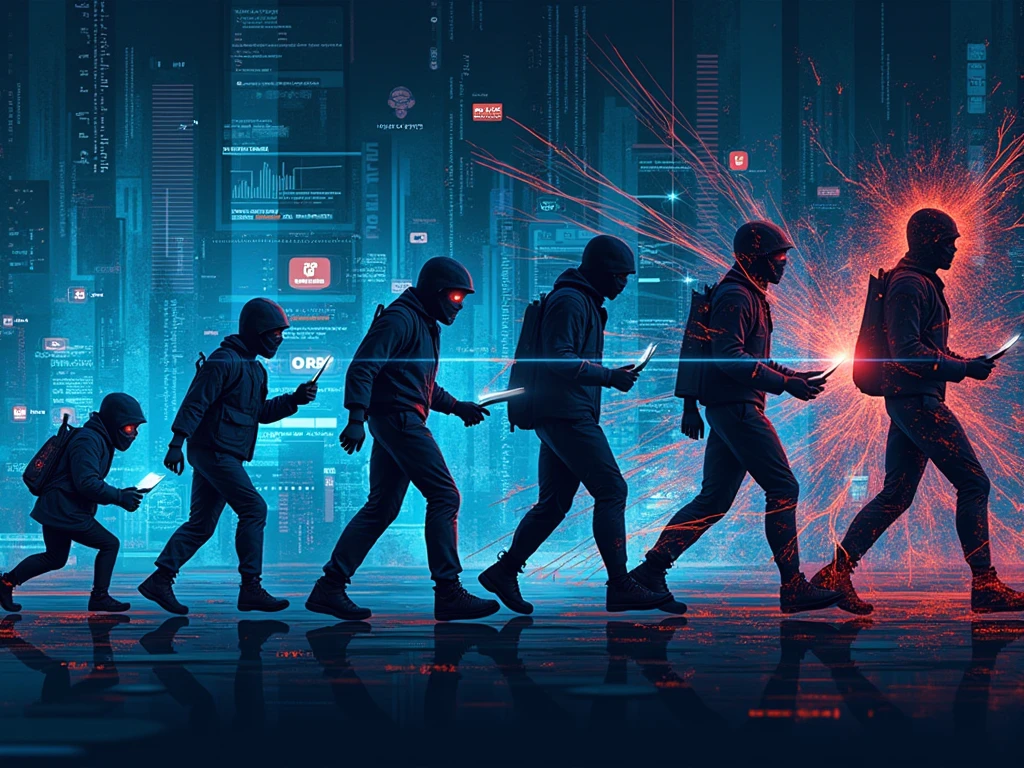
Cybersecurity has come a long way since its early days, when basic antivirus programs were enough to protect systems. Over time, cyber threats have evolved dramatically, transforming from simple viruses into advanced ransomware capable of wreaking havoc on global systems. This evolution has forced cybersecurity measures to adapt, creating a dynamic and ever-changing field. In this article, we’ll explore how cyber threats have grown more sophisticated over the years and how cybersecurity has risen to meet these challenges.
The Early Days: Viruses and Worms
In the 1980s, cyber threats were relatively simple. One of the first known viruses, “Elk Cloner,” appeared in 1982. It spread through floppy disks and displayed a poem on infected machines. Shortly after, the “Brain” virus emerged in 1986 as the first boot sector virus targeting IBM PCs. These early threats were often created by hobbyists experimenting with code rather than aiming for financial or political gain.
At the time, combating these threats was straightforward. Antivirus programs like Norton and McAfee appeared in the late 1980s and focused on detecting and removing known viruses. Cybersecurity was still in its infancy, and the tools matched the simplicity of the threats.
The Rise of Network-Based Attacks
The 1990s marked a turning point as the internet became widely adopted. With more devices connected to a global network, cybercriminals began exploiting vulnerabilities in this new infrastructure. The “Morris Worm” in 1988, one of the first major network-based attacks, disrupted thousands of computers and highlighted the potential of internet-based threats.
Email-based phishing scams also became common during this era, targeting individuals and businesses to steal sensitive information. As these threats grew more sophisticated, the need for stronger defenses led to the development of firewalls and intrusion detection systems, which became standard tools for protecting networks.
The Emergence of Organized Cybercrime
By the early 2000s, cyber threats had evolved beyond individual hackers to organized cybercrime groups. These groups were primarily motivated by financial gain, targeting banks, businesses, and individuals to steal valuable data. The “Mydoom” worm in 2004, for instance, became one of the fastest-spreading email worms, causing billions of dollars in damages.
Botnets also emerged during this period. These networks of infected computers were used to launch distributed denial-of-service (DDoS) attacks, send spam emails, and deploy malware. To counter these threats, cybersecurity tools advanced, incorporating features like heuristic analysis to detect previously unknown malware variants.
Advanced Persistent Threats (APTs)
The late 2000s saw the rise of Advanced Persistent Threats (APTs), a new kind of cyber threat characterized by long-term, targeted attacks. Unlike traditional attacks, APTs are highly coordinated and often backed by nation-states. Some notable examples include:
- Stuxnet (2010): A sophisticated worm designed to disrupt Iran’s nuclear program. It’s widely believed to have been developed by state-sponsored actors.
- Operation Aurora (2009): A series of cyberattacks targeting major companies like Google, aimed at stealing intellectual property.
APTs forced organizations to rethink their cybersecurity strategies, emphasizing proactive measures like threat intelligence, real-time monitoring, and incident response planning.
The Age of Ransomware
In the 2010s, ransomware became one of the most significant cyber threats. Early ransomware, such as “Cryptolocker” in 2013, encrypted victims’ files and demanded payment in cryptocurrency to restore access. The success of these attacks led to the development of more advanced ransomware variants, including “WannaCry” and “NotPetya,” which caused widespread disruption in 2017.
Ransomware-as-a-Service (RaaS) platforms made it easier for even non-technical criminals to launch attacks, further exacerbating the problem. These developments pushed organizations to adopt stronger security measures, such as backup systems and endpoint detection tools.
Modern Cyber Threats: AI, IoT, and Beyond
Today’s cyber threats leverage cutting-edge technologies to exploit vulnerabilities. Key trends include:
- Artificial Intelligence (AI): Cybercriminals use AI to craft convincing phishing emails, bypass detection systems, and identify weak points in networks. On the other hand, cybersecurity professionals also use AI to detect anomalies and predict potential attacks.
- Internet of Things (IoT): The proliferation of IoT devices, from smart home systems to industrial sensors, has created new vulnerabilities. Poorly secured IoT devices have been exploited in massive attacks, such as the “Mirai” botnet in 2016.
- Supply Chain Attacks: Hackers target third-party vendors to gain access to larger organizations. The “SolarWinds” attack in 2020 demonstrated how devastating these attacks can be.
- Deepfakes: Advances in AI have enabled the creation of deepfake videos and audio, which can be used to impersonate individuals and carry out fraud.
How Cybersecurity Has Evolved
To combat these evolving threats, cybersecurity practices have become more sophisticated. Key developments include:
- Proactive Security: Early approaches focused on reacting to threats. Modern strategies emphasize proactive measures like vulnerability management, threat hunting, and penetration testing.
- Cloud Security: As businesses migrate to the cloud, securing cloud environments has become a priority. Tools like cloud access security brokers (CASBs) help monitor and protect these systems.
- Zero Trust Architecture: This approach assumes no user or device can be trusted by default. It requires continuous verification and strict access controls to minimize risk.
- Public-Private Partnerships: Governments and private organizations are collaborating to share threat intelligence and improve overall defenses against cyber threats.
The Future of Cybersecurity
As technology advances, new challenges and opportunities will shape the future of cybersecurity. Key areas to watch include:
- Quantum Computing: While quantum computing promises breakthroughs, it also threatens current encryption methods. Researchers are working on quantum-resistant algorithms to address this risk.
- AI-Driven Security: AI will continue to play a major role in identifying and mitigating threats in real-time.
- Cybersecurity Legislation: Governments are introducing stricter regulations to hold organizations accountable for data breaches and improve security standards.
Final Thoughts
The evolution of cyber threats, from simple viruses to advanced ransomware, has profoundly impacted the field of cybersecurity. As technology continues to evolve, staying informed and adopting proactive measures is essential to protect against ever-changing threats.
For further reading on modern cybersecurity practices, check out this guide to cybersecurity strategies and this overview of emerging threats. By staying vigilant and embracing new technologies, we can create a safer digital world for everyone.