
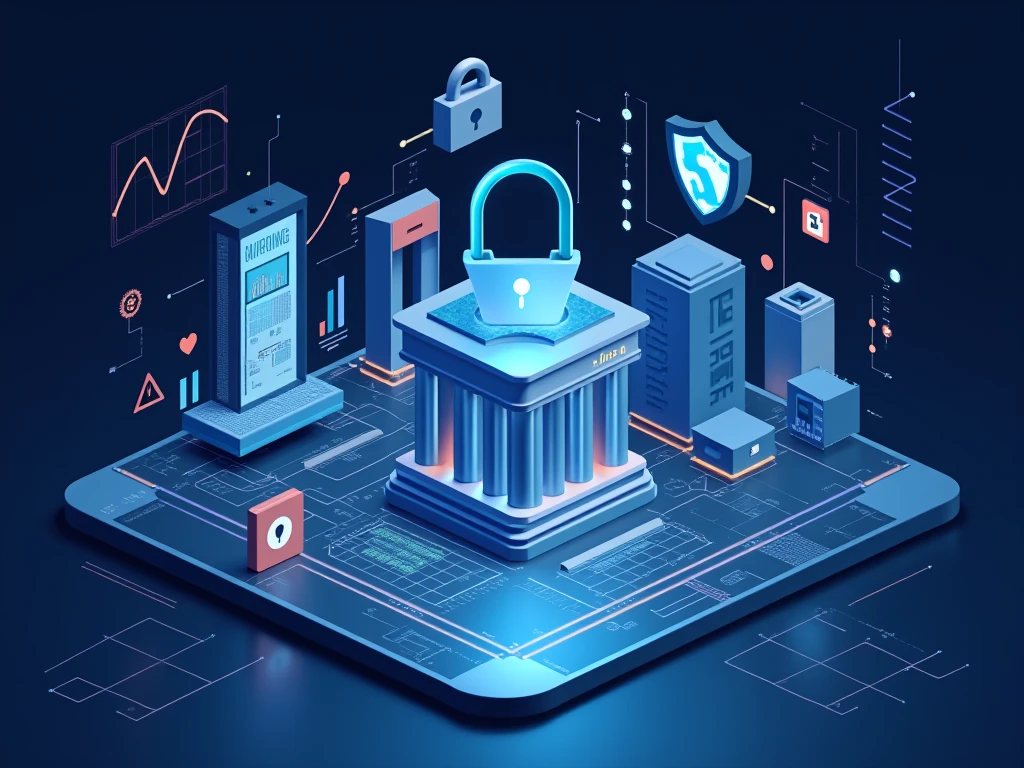
Cybersecurity’s Daily Impact In today’s digital world, cybersecurity has become a cornerstone of our daily lives, affecting everything from how we bank online to how we interact on social media. The convenience of technology has brought us closer together, but it has also exposed us to new risks. This article dives into how cybersecurity influences our everyday activities, protects sensitive information, and builds trust in the digital age.
The Importance of Cybersecurity in Everyday Life
The digital revolution has reshaped how we work, communicate, and entertain ourselves. But with this transformation comes a need for robust cybersecurity measures to guard against evolving threats. Cybersecurity acts as a shield, safeguarding personal data, financial details, and private communications from malicious attacks. As cyber risks grow, understanding their impact on our daily routines is crucial.
Online Banking and Financial Security
Online banking has become a staple of modern life, offering unmatched convenience. However, without cybersecurity, the financial sector would be a playground for hackers. Here’s how cybersecurity keeps your money and information safe:
- Encryption Technologies
- Banks use encryption to secure data during online transactions. This ensures that your information remains private and protected.
- End-to-end encryption adds another layer of safety, keeping data inaccessible to unauthorized parties.
- Multi-Factor Authentication (MFA)
- MFA strengthens account security by requiring multiple forms of verification, such as a password and a one-time code.
- Fraud Detection Systems
- Banks employ advanced algorithms to monitor activity and flag suspicious transactions, protecting customers from potential fraud.
Without these protections, online banking would be vulnerable to breaches that could compromise financial stability and trust.
Social Media and Personal Privacy
Social media platforms have revolutionized how we connect and share, but they also pose risks to personal privacy. Cybersecurity plays a vital role in ensuring that our online interactions are secure:
- Data Protection Tools
- Platforms offer privacy settings that let users control who can view their content and personal information.
- Encryption of private messages ensures they stay confidential.
- Phishing Scams
- Hackers often use social media for phishing attacks, tricking users into revealing sensitive information. Recognizing suspicious links and messages is key to staying safe.
- Account Security
- Enabling two-factor authentication and using strong, unique passwords are essential steps to protect your accounts.
By staying proactive, social media users can enjoy their platforms without sacrificing security.
E-Commerce and Secure Transactions
The rise of e-commerce has transformed how we shop, but it also comes with risks. Cybersecurity ensures that online transactions remain secure and trustworthy:
- SSL Certificates
- Secure Socket Layer (SSL) certificates encrypt data exchanged during online purchases, protecting it from interception.
- Trusted Payment Gateways
- Payment platforms like PayPal or Stripe process transactions securely without exposing sensitive details.
- Educating Shoppers
- Recognizing secure websites (e.g., URLs starting with “HTTPS”) helps prevent fraud.
These measures create a safer shopping environment for both customers and businesses.
IoT Devices and Home Security
Smart devices have made homes more convenient, but they also present cybersecurity challenges. Protecting Internet of Things (IoT) devices is vital for maintaining privacy and security:
- Authentication Protocols
- Many IoT devices come with built-in authentication to block unauthorized access.
- Regular Updates
- Updating device firmware ensures vulnerabilities are patched, keeping systems secure.
- Securing Wi-Fi Networks
- Strong passwords and encryption settings for home networks help prevent unauthorized access to smart devices.
As IoT devices become more common, protecting them will be critical to ensuring household security.
Education and Remote Work
The rise of remote work and online learning has highlighted the importance of cybersecurity in professional and academic settings:
- Secure Communication Platforms
- Tools like Zoom and Microsoft Teams prioritize encryption to protect meetings and sensitive discussions.
- Cybersecurity Awareness
- Training programs help employees and students identify phishing attempts, malware, and other threats.
- Cloud Security
- Using encrypted cloud storage and robust access controls ensures that data remains safe.
By prioritizing cybersecurity, individuals and organizations can thrive in remote environments without compromising safety.
Healthcare and Patient Privacy
Healthcare institutions handle highly sensitive data, making them attractive targets for cybercriminals. Cybersecurity measures ensure patient information is protected:
- Compliance with Regulations
- Laws like HIPAA in the U.S. require healthcare providers to follow strict data protection standards.
- Electronic Health Records (EHRs)
- EHR systems use encryption and access controls to keep patient information private.
- Ransomware Protection
- Advanced cybersecurity solutions guard against ransomware attacks that could disrupt critical services.
Cybersecurity in healthcare protects not just data but also lives.
Ongoing Challenges in Cybersecurity
While cybersecurity has made significant strides, challenges remain:
- Evolving Threats
- Hackers constantly develop new tactics, requiring individuals and organizations to stay vigilant.
- Limited Awareness
- Many users don’t fully understand the importance of cybersecurity, leaving them vulnerable to attacks.
- Resource Constraints
- Small businesses and individuals often lack the tools or knowledge to implement strong security measures.
Overcoming these obstacles requires collaboration and ongoing education.
Final Thoughts
From managing finances to staying connected on social media, cybersecurity is woven into the fabric of daily life. By adopting best practices and staying informed, individuals can navigate the digital world with confidence. For more tips, check out this guide on personal cybersecurity or explore this resource on secure online shopping.
Cybersecurity isn’t just a technical concern—it’s a shared responsibility that affects everyone in today’s connected world.